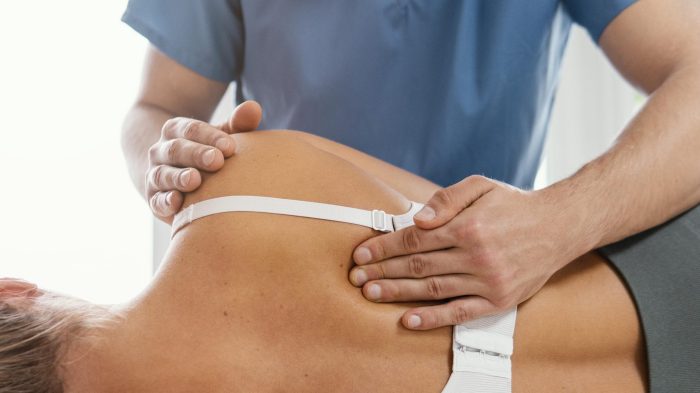
The International Federation of Orthopaedic Manipulative Physical Therapists (IFOMPT) defines Manual Therapy as a specialised area of physiotherapy focused on the management of neuromusculoskeletal conditions. This approach is achieved through: (a) clinical reasoning, (b) the use of specialised diagnostic and therapeutic interventions and techniques in which the physiotherapist uses their hands, as well as (c) the prescription of therapeutic exercise. Both the diagnostic and therapeutic processes for each patient are guided by the available scientific and clinical evidence, as well as by the patient’s individual biopsychosocial history and profile.
What are the benefits of Manual Therapy?
Pain Relief: It can reduce pain caused by injuries, muscle spasms, arthritic problems, and other conditions.
Improved Mobility: It helps restore the normal range of motion of the joints and improve muscle flexibility.
Reduction of Muscle Spasms: Soft tissue techniques help relax tight muscles.
Improved Functionality: It supports recovery and the restoration of normal movement in daily activities.
Improved Blood Circulation: The application of pressure and massage increases blood flow to the tissues, promoting healing.
Does it have any contraindications? Is it safe?
Yes, Manual Therapy has contraindications and is not suitable for all patients or conditions. Before applying it, the physiotherapist must assess the patient and determine whether there are any factors that could make the treatment unsafe or ineffective. However, it is a safe method and, provided that the physiotherapist is properly qualified, it will not cause any harm.